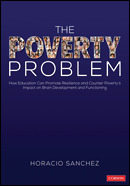

The Poverty Problem
How Education Can Promote Resilience and Counter Poverty's Impact on Brain Development and Functioning
- Horacio Sanchez - President, Resiliency Inc.
Economic hardship is changing our students’ brain structures at a genetic level, producing psychological, behavioral, and cognitive issues that dramatically impact learning, behavior, physical health, and emotional stability. But there is hope.
This groundbreaking book by one of the nation’s top experts in brain science and resilience offers solutions that will change minds, attitudes, and behaviors. Learn about how problems develop between people of different races, how the brain develops in persistent poverty, and how it might react to solutions. Inside, you will find real-life applications on topics including:
• The lack of culturally competent instruction and its impact on students of color
• Poverty's effect on language development and how it can be positively influenced
• The importance of reading
• How to counteract the effects of the widespread stress in lower SES environments
Children make up 23% of the U.S. population and account for almost 33% of those living in poverty, making the education system our most distressed institution. In The Poverty Problem, you’ll learn how to increase students’ perseverance and confidence and positively impact outcomes by arming yourself with research-based instructional strategies that are inspiring, realistic, and proven to work.
Free resources

Podcast: Supporting Students in Poverty With Horacio Sanchez
Dr. Horacio Sanchez brings a wealth of expertise and knowledge to this Leaders Coaching Leaders podcast episode deep dive into the effects of poverty on learning.

Webinar: The Poverty Problem—The Impact of Poverty on Learning and the Brain
Presented by Voyager Sopris. Horacio Sanchez discusses how poverty is the single most significant event impacting education today. The brain transformations resulting from poverty speak to the heart of the academic and behavioral issues schools seek to overcome. The neuroscience of poverty provides a clear picture of why academic and behavioral problems occur in relation to poverty and how to design a more precise response to best address the issues.

Introduction: The Invisible Line
In this excerpt from The Poverty Problem, discover how a strange sequence of events and one individual’s
arbitrary decision shaped the nation’s thinking and behavior toward poverty.
This book discusses the difficulties we face in understanding neuroscience, trauma and poverty, and the ramifications on behaviour and learning in education. An important read for students studying health and well-being, and sadly highlights issues relating globally not just in America.