
You are here

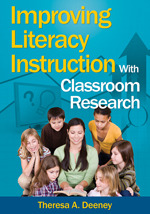
Improving Literacy Instruction With Classroom Research
Share
Share

Improving Literacy Instruction With Classroom Research


November 2008 | 216 pages | Corwin

"Filled with reflective questions, keen insights, and helpful resources, this engaging book supports both novice and veteran classroom researchers. At the heart of all of the research is how best to support, engage, and extend learners. As teachers read the clearly delineated steps, they will be energized to confidently engage in their own classroom research."
—Cheryl L. Dozier, Assistant Professor
University at Albany, State University of New York

Implement classroom research to develop effective practices in literacy instruction!

Teaching reading skills effectively can be a complex and challenging process for many educators. Theresa A. Deeney provides a detailed primer that illustrates how to create and implement classroom research projects focused on assessing and strengthening literacy instruction.

Improving Literacy With Classroom Research presents a comprehensive overview of the classroom research cycle, which involves noticing a problem, initiating an inquiry, planning for and implementing change, analyzing and reflecting on the results, and developing an action plan. The author includes:

  • Guidelines, charts, tables, and information to help educators initiate their own projects
  • Recommendations for collecting and analyzing data
  • Research about five core areas of reading instruction—phonemic awareness, phonics, fluency, vocabulary, and comprehension
  • Examples of authentic teacher research projects focused on literacy skills and instructional practices

This guide shows how to use teacher inquiry and reflection to bring about significant improvements in literacy instruction.


Preface
 
About the Author
 
Part I. Understanding Classroom Research
 
1. What Is Classroom Research?
 
2. Cycling Through the Steps
 
3. Dealing With Data
 
Part II. Teachers' Classroom Research in Literacy
Overview

 
Section 1: Looking at Teaching Within Mandated Programs

 
Introduction


4. Reading Aloud: Do I Really Sound Like That?
 
5. Keeping Track of Assessment Data Makes Teaching Easier
 
6. Differentiating Word Study Instruction
Section 2: Tying Research to Practice

 
Introduction


7. “Mr. ___ Just Said Rambunctious!”: Learning and Loving Vocabulary
 
8. Sounding Like Readers: Improving Fluency
 
9. Word Analysis and Phonemic Awareness Instruction for Older Students
 
10. Teaching Vocabulary One Part at a Time
 
11. Ethics and Other Issues in Classroom Research
 
Appendix A
 
Appendix B
 
References
 
Index
Key features
  • shows teachers how to implement action research in the literacy classroom
  • provides examples of actual literacy-based action research projects
  • packed with tables, charts, figures, guidelines, and more
  • builds understanding of five core literacy components
  • provides examples of effective instruction which can be used or modified as needed

Sample Materials & Chapters

Preface

Chapter 1: What Is Classroom Research?


Purchasing options

For large school/district orders, volume discounts, availability and shipping times contact customer service at 800-233-9936
or order@corwin.com.

contact corwin

Please select a format:

ISBN: 9781412940894
$41.95
ISBN: 9781412940887
$90.95

For large school/district orders, volume discounts, availability and shipping times contact customer service at 800-233-9936
or order@corwin.com.