Patricia Kelly Ralabate
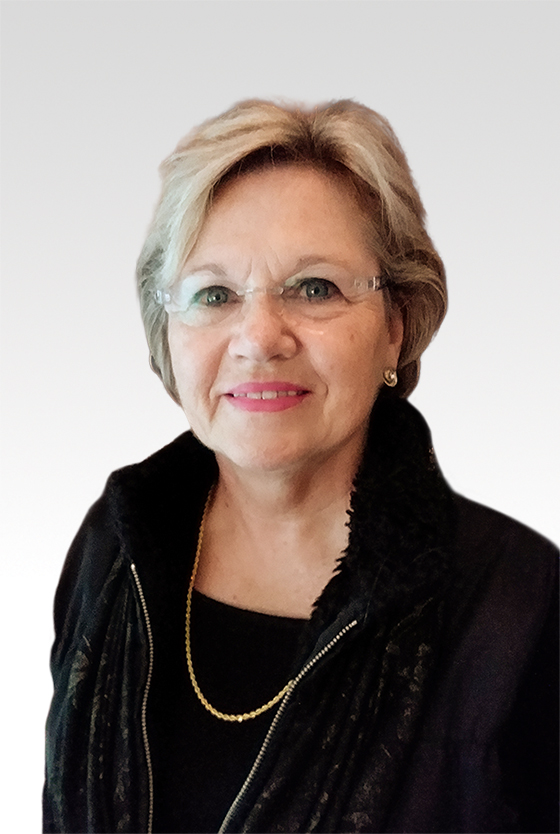
After teaching for twenty-five years as a speech-language pathologist in Connecticut public schools, I joined the National Education Association (NEA) as a policy analyst focused on special and gifted education issues. The NEA was preparing for the Congressional reauthorization of the Individuals with Disabilities Education Act (IDEA) and wanted the perspective of someone who had recent experience with applying the law at classroom and school levels. Simultaneously, CAST was advocating that Congress include UDL in IDEA as a recommended educational framework for general education curriculum design. Their intent was to make the general education learning environment more flexible and responsive to the needs of learners with disabilities or special education needs, as well as all learners, by applying UDL to instructional design. I was intrigued and began to investigate UDL implementation strategies.
Initially, I viewed UDL as many educators do when they first begin to learn about it as a way to provide access to the general education curriculum by incorporating digital technology and instructional adaptations. But soon, I realized that in addition to offering access, the UDL framework represented a clear understanding of how all humans learn and that it could be applied in any learning environment to provide support and engagement opportunities to each and every learner. Now, more than a decade later, I’m thrilled that UDL is being used across the globe as a curriculum framework that offers opportunities for inclusive learning experiences. Unfortunately, too many educators are still unaware of its true power to provide not only access, but the learning support needed by all learners. That’s why it’s important to share this book.
Initially, I viewed UDL as many educators do when they first begin to learn about it as a way to provide access to the general education curriculum by incorporating digital technology and instructional adaptations. But soon, I realized that in addition to offering access, the UDL framework represented a clear understanding of how all humans learn and that it could be applied in any learning environment to provide support and engagement opportunities to each and every learner. Now, more than a decade later, I’m thrilled that UDL is being used across the globe as a curriculum framework that offers opportunities for inclusive learning experiences. Unfortunately, too many educators are still unaware of its true power to provide not only access, but the learning support needed by all learners. That’s why it’s important to share this book.